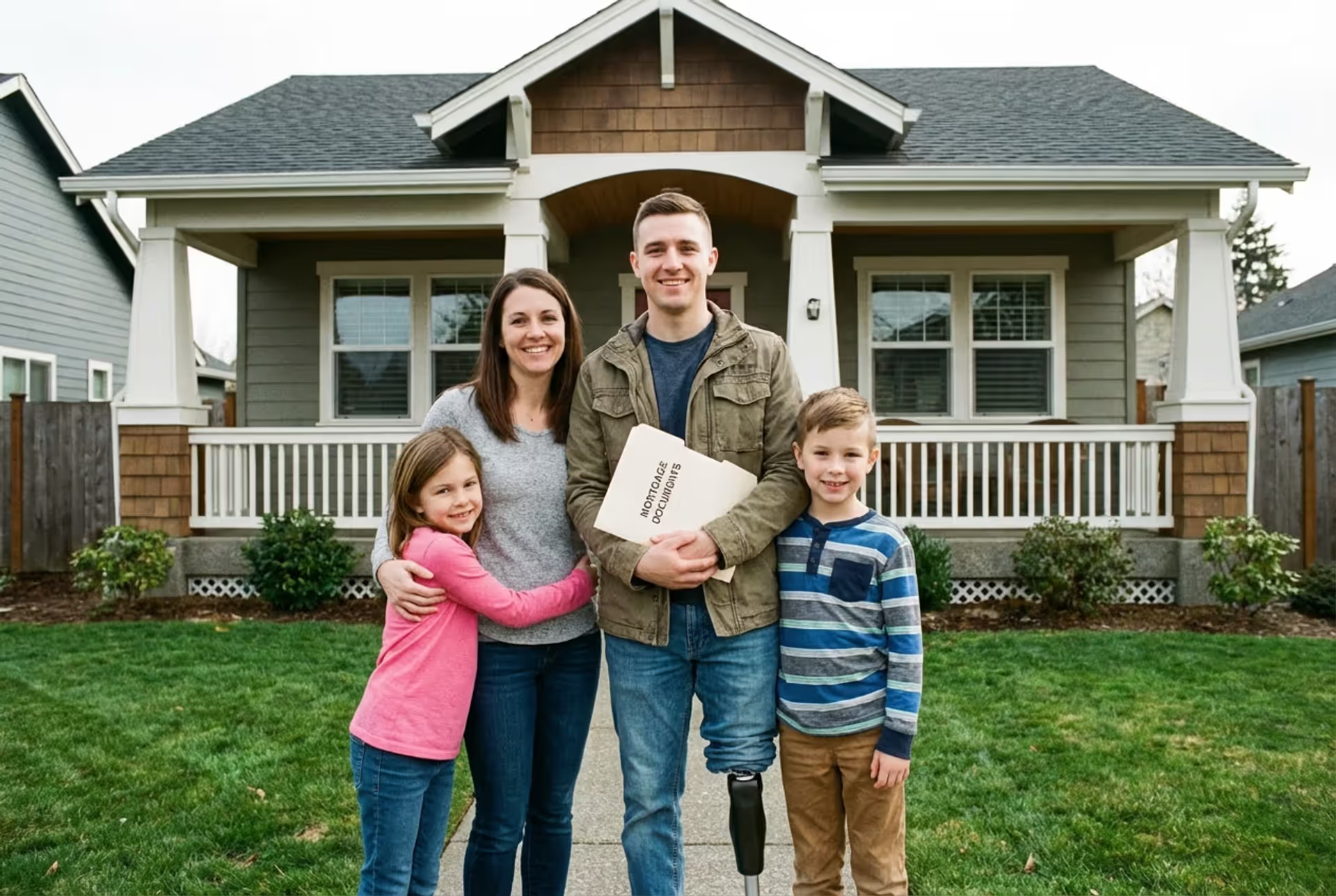
Veteran couple standing in front of a suburban home with mortgage documents
How Many Times Can You Use a VA Loan

Content
Here's something that surprises most veterans: that VA loan you used to buy your first home? You can use it again. And again. In fact, you'll never run out of chances to tap into this benefit—there's literally no cap on how many VA-backed mortgages you can get throughout your lifetime.
Most service members think this mortgage guarantee works like those first-time homebuyer programs that give you one shot and you're done. Not even close. The Department of Veterans Affairs built this program specifically so you could use it every time you need to buy a house, whether that's twice or ten times.
Your question isn't really "how many times"—it's "when can I use it next?" Understanding the mechanics of entitlement, the situations that let you access the benefit again, and the actual steps for getting your borrowing power back will determine your timeline.
Understanding VA Loan Entitlement and Reusability

Author: Olivia Stratfor;
Source: nayiyojna.com
Entitlement is the specific dollar figure the VA will back when a private lender gives you a mortgage. Picture it like this: the government tells the bank "if this veteran can't pay, we'll cover X amount of the loss." That government backing is what convinces lenders to approve loans with zero down payment and no monthly mortgage insurance.
You've got two entitlement buckets. The first, called basic entitlement, sits at $36,000—a number that made sense back when the average home cost $75,000 but feels quaint now. The second bucket, your bonus entitlement (some people call it secondary or additional entitlement), scales up based on the loan size you're pursuing. Put both together and you get your total borrowing capacity without needing a down payment.
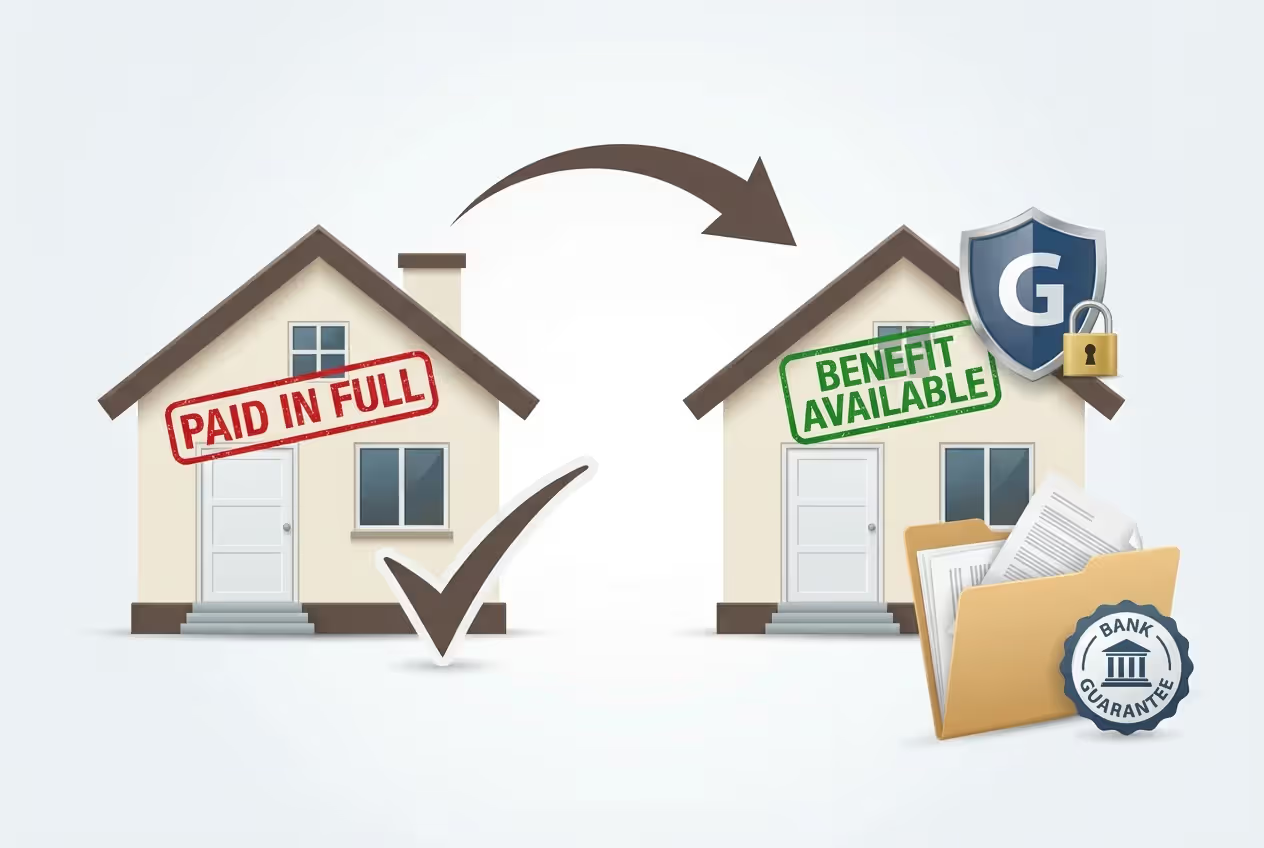
What makes the VA loan different from almost every other housing assistance program? Your entitlement comes back. Sell that house or pay off the mortgage, and you can restore your full entitlement for the next purchase. This isn't a one-and-done deal.
Before January 2020, every county had loan limits that capped how much veterans could borrow without a down payment. The Blue Water Navy Vietnam Veterans Act wiped out those restrictions for anyone with their full entitlement intact. Now, if you've got your complete entitlement available and meet the income and credit standards, you can buy a home at any price point—$300,000 or $3 million—without putting a penny down. Veterans who used their benefit previously but haven't gotten all their entitlement back might still bump into practical limits based on what's left in their account.
The whole reuse system works because the VA doesn't actually write checks to buy houses. Private mortgage companies do the lending. The VA guarantee just makes banks comfortable enough to offer incredible terms. Every time you get your entitlement back, you're essentially starting fresh with full borrowing power.
Author: Olivia Stratfor;
Source: nayiyojna.com
When You Can Use Your VA Loan Again
Timing your next VA loan depends entirely on what happened with your previous property. Several paths let you access this benefit multiple times.
After Paying Off Your Previous VA Loan
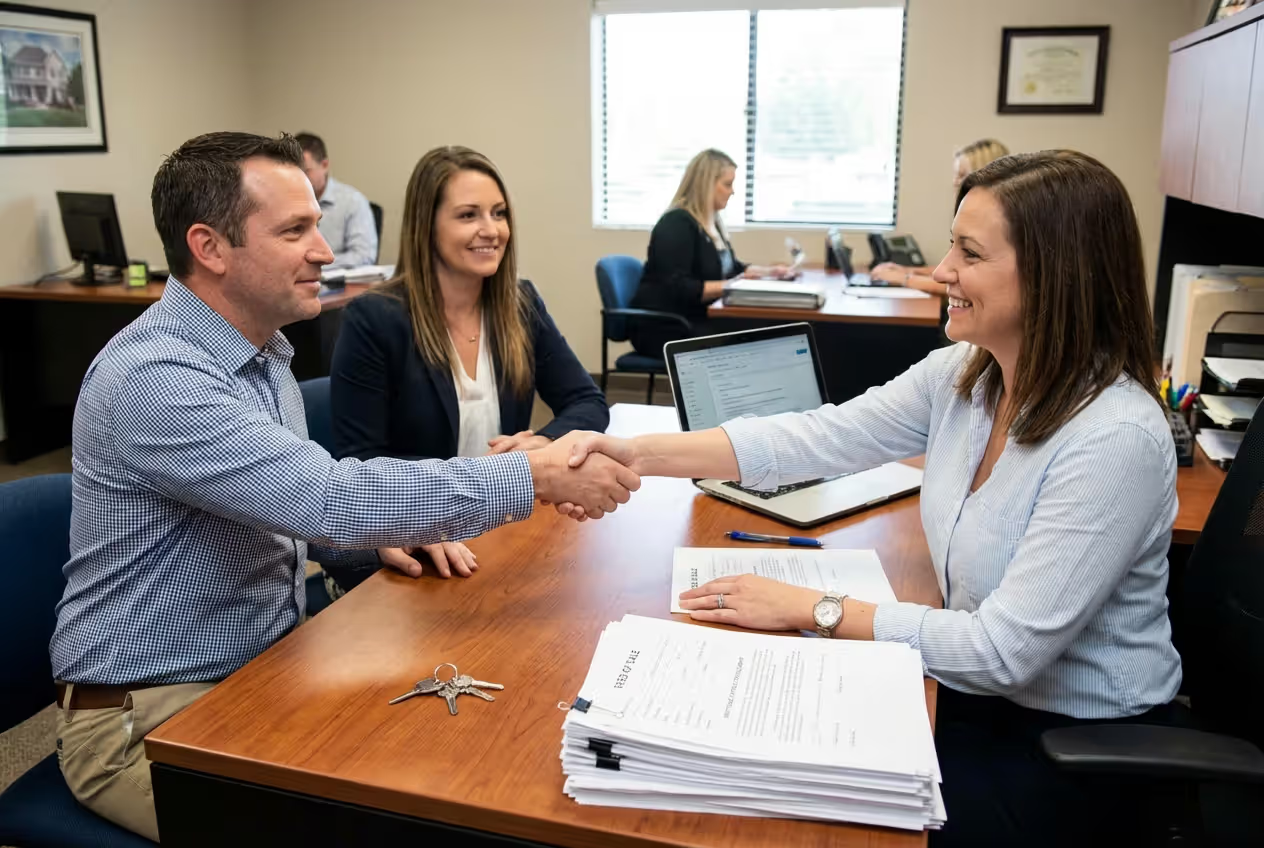
The cleanest route back to using your VA loan happens when you sell your home or knock out the mortgage balance completely. Once that loan balance hits zero and the property no longer has a VA-backed mortgage attached to it, you're eligible to get your entitlement back.
Selling triggers automatic eligibility for complete entitlement restoration. Your lender reports the payoff to the VA, though you'll still need to send in paperwork to make it official. Most veterans relocating for a new job or moving up to a bigger place go this route.
Paying off your mortgage while keeping the house also opens the door to entitlement restoration—with one twist. Even if you hold onto the property and turn it into a rental, you can still restore your entitlement. The mortgage just needs to be completely satisfied. This flexibility really helps veterans who get reassigned to a new duty station or want to build up rental properties. You could also refinance to a conventional mortgage, pay off the VA loan that way, and accomplish the same thing.
Author: Olivia Stratfor;
Source: nayiyojna.com
While Still Owning a VA-Financed Property
You don't always have to sell or pay off your first house before using the VA benefit again. Veterans with enough leftover entitlement can actually get a second VA loan while still making payments on their first one.
This works when your first purchase only used part of your available entitlement. Say your first home needed $100,000 worth of entitlement guarantee, but your total available sits way higher—that unused portion stays available. You can put that remaining entitlement toward a second VA-backed mortgage.
The catch? You've got to plan on living in the new property as your primary residence. VA loans can't finance vacation cottages or straight-up investment properties. But if you're moving for work or military orders and you'll rent out your current VA-financed home, you can absolutely pursue a second VA loan for wherever you're relocating.
The math gets a bit technical here. Lenders calculate what you've got left by taking your total available entitlement and subtracting the amount currently tied up in your first loan. If what's left can guarantee 25% of your new loan amount (the standard VA guarantee percentage), you're good to go without any down payment. Come up short, and you'll need to bring cash to closing to bridge the gap.
Plenty of veterans wrongly assume they have to choose: keep the first house or buy a second one, but not both. Reality is more flexible—it's about entitlement arithmetic and whether your income can support both payments, not some blanket rule limiting you to one property.
How to Restore Your VA Loan Entitlement
Getting your entitlement back involves specific paperwork and usually takes a few weeks. Knowing these steps helps you plan when to start shopping for your next home.
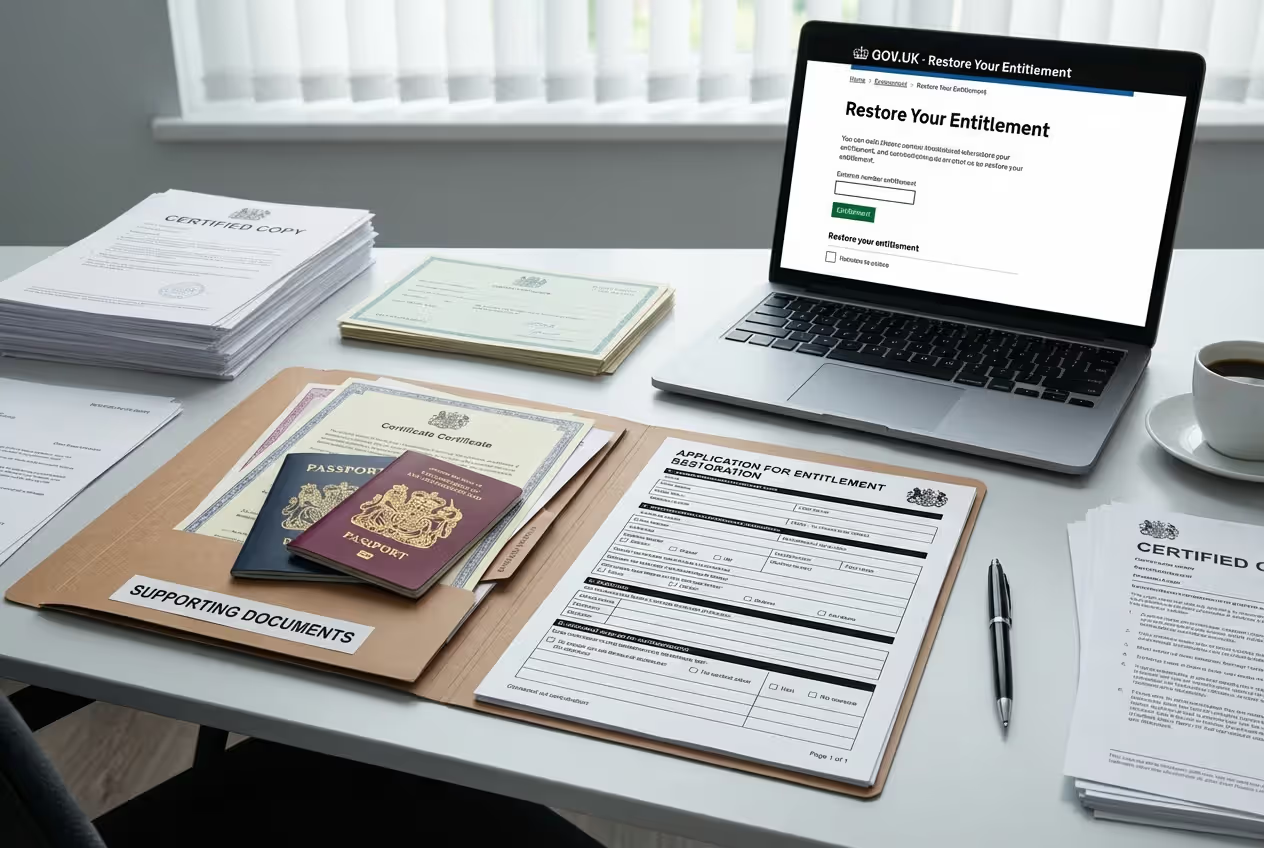
First step: get documentation proving your previous VA mortgage is paid off. If you sold the property, your closing paperwork and settlement statement showing the loan payoff serve this purpose. If you refinanced into a conventional loan or paid off the mortgage but kept the house, call your old lender and request a payoff letter. That document needs to explicitly state the loan's been satisfied and include the original loan number.
Next, you'll fill out VA Form 26-1880, which is basically your official request for a Certificate of Eligibility. You can find this form through the VA's eBenefits portal—most veterans can actually complete the whole thing online now. You'll enter details about your old VA loan: property address, loan number, how the mortgage was satisfied.
Along with that form, attach your supporting documents. Usually that means the payoff letter, the deed or settlement statement from the sale, and anything else that proves the property doesn't have a VA-backed loan on it anymore. If you paid off the loan but kept the house, expect to provide extra documentation confirming it was actually a VA mortgage to begin with.
Processing usually takes several weeks under normal conditions, though timelines bounce around depending on how many applications the VA is handling. Most lenders can actually order a new Certificate of Eligibility for you once you've got a contract on a new home, which tends to speed things up. Your new certificate shows exactly how much entitlement you've got available and confirms you're eligible for another VA loan.
Working with a lender who really knows VA loans makes this smoother. These folks understand what documentation passes muster and can spot potential problems before they stall your purchase. Some have direct lines to VA regional offices, which can cut processing time.
Big mistake veterans make: waiting until they've found their next home to start restoration. If you know you'll be house hunting in the next few months, kick off the entitlement restoration process now. Prevents headaches when you're ready to write an offer.
Author: Olivia Stratfor;
Source: nayiyojna.com
VA Loan Entitlement Limits and Multiple Use Rules
The 2020 rule changes massively expanded what veterans with full entitlement can borrow. Understanding these limits and how they work for your second, third, or fourth loan helps you plan strategically.
Veterans with complete, unused entitlement can now borrow whatever amount a lender will approve based on their income and credit—no artificial ceiling that forces a down payment. This marked a huge shift from the old system where county-based conforming limits created caps.
What you can borrow on subsequent VA loans depends on whether you've gotten all your entitlement back. Sold your previous home and restored 100% of your entitlement? You're in the exact same position as someone using a VA loan for the first time—no maximum loan amount as long as you financially qualify.
Sometimes you'll restore entitlement partially. This happens when you've paid off a VA loan but still own that property. You can restore the entitlement that was tied up in that loan, though the VA technically still considers it "encumbered" until you sell or otherwise dispose of the property. This distinction rarely matters for most veterans since restored entitlement works the same way for new loans.
Veterans using leftover entitlement for a second home while still paying on the first VA loan face trickier calculations. Your lender figures out how much entitlement is locked up in loan number one, subtracts that from your total available, and checks whether what's left can guarantee 25% of the new loan. If the numbers don't work, you'll need a down payment for the difference.
Here's what changes between your first loan and subsequent ones:
| Factor | First-Time Use | Second/Subsequent Use (Full Restoration) | Second Use (Remaining Entitlement) |
| Entitlement Available | Complete basic + bonus | Complete basic + bonus (restored) | Whatever's left after first loan |
| Down Payment | $0 if you qualify | $0 if you qualify | Possibly required if entitlement falls short |
| Eligibility Requirements | COE, intent to occupy, credit/income standards | Identical to first use | Same, plus entitlement math verification |
| Documentation Needed | Standard VA loan package | Standard package + restoration proof | Standard package + entitlement statement |
| Processing Time | Standard timeline | Bit longer if restoration isn't done yet | Standard once entitlement gets confirmed |
| Funding Fee | 2.15% of loan amount | 3.3% of loan amount | 3.3% of loan amount |
Watch out for the funding fee increase on repeat uses. First-time VA borrowers pay 2.15% of the loan amount (drops to 1.4% with at least 5% down). Veterans using the benefit after the first time pay 3.3% (or 1.15% with a substantial down payment). You can roll this fee into your loan amount, but it does bump up your total borrowing cost.
Some veterans dodge the fee entirely. Anyone receiving VA disability compensation is exempt from the funding fee regardless of how many times they use the benefit. Surviving spouses also qualify for waivers in certain situations.
Common Mistakes When Reusing Your VA Loan Benefit

Author: Olivia Stratfor;
Source: nayiyojna.com
Veterans sometimes trip over preventable obstacles when trying to use their VA benefit again. Knowing these common errors helps you steer clear of delays and frustration.
The costliest mistake? Assuming you can't reuse the benefit at all. Plenty of veterans use their VA loan once, then switch to conventional financing for every purchase after that because nobody told them the benefit resets. That means paying for private mortgage insurance and potentially scraping together a down payment when neither is necessary.
Not properly restoring entitlement creates chaos when you're ready to buy again. Some veterans sell a home and figure their entitlement automatically becomes available again. While the VA does get notified about loan payoffs, you have to formally request restoration and get a new Certificate of Eligibility. Skip this step and you'll be confused when your lender pulls your entitlement data and it still shows as tied up.
Misunderstanding leftover entitlement causes veterans to miss opportunities. Maybe you bought a modest starter home that only required a small chunk of your entitlement—you might qualify for a second VA loan without selling anything. Veterans sometimes put off upgrading unnecessarily because they think they must pay off the first mortgage completely, when actually their remaining entitlement is plenty for a second purchase.
Timing problems create unnecessary stress. Starting the entitlement restoration after you've already found a home and written an offer can mess up your closing schedule. The VA usually processes requests pretty quickly, but unexpected documentation requests or backlogs happen. Starting restoration before you even begin house hunting eliminates this risk entirely.
Not talking to a VA loan specialist before selling or refinancing can lead you down the wrong path. Some veterans refinance their VA mortgage to conventional thinking it'll free up entitlement faster. While that does work, it might be overkill if you're planning to sell in a few months anyway. A specialist can run different scenarios and show you the most cost-effective approach.
Forgetting about the higher funding fee on subsequent uses catches some veterans off guard. The jump from 2.15% to 3.3% might sound small, but on a $400,000 loan, that's an extra $4,600. Budget for this increase when planning your next purchase. Veterans with service-connected disabilities should double-check their exemption is properly documented so they don't pay any funding fee at all.
The fact that you can reuse the VA loan benefit is one of its most underappreciated features. I regularly work with veterans on their third or fourth VA loan, and so many of them tell me they almost used conventional financing because they figured the VA benefit was one-time only. Once you understand you can tap into this throughout your entire life, it opens up massive opportunities for building wealth through real estate
— Chris Martinez
FAQ: Reusing Your VA Loan Benefit
The VA loan program differs from conventional financing for exactly this reason—it's built for repeated use across your entire lifetime. Whether you're thinking about your second home purchase or your fifth, those same powerful advantages remain: zero down payment, no monthly mortgage insurance premiums, competitive interest rates.
What you do next depends on where you are right now. Veterans who've paid off or sold a previous VA-financed property should start the entitlement restoration process before they begin their home search. Those still making payments on a VA mortgage can connect with a knowledgeable lender to calculate remaining entitlement and figure out if a second simultaneous VA loan makes sense.
The critical thing to remember: this benefit exists to serve you repeatedly, not just once. Every time you need to buy a home—relocating for a new position, making room for a growing family, transitioning into retirement—your VA loan benefit delivers financial advantages that save thousands of dollars compared to conventional financing.
Figure out your current entitlement status, especially if you've used the benefit before. Request a Certificate of Eligibility to see exactly what you've got available right now. Connect with lenders who specialize in VA mortgages and can walk you through your options in plain English. The better you understand entitlement restoration and the rules around second uses, the smarter your real estate decisions will be throughout your life.
You earned this benefit through your service. Using it multiple times isn't gaming the system—it's precisely what the program was designed for.