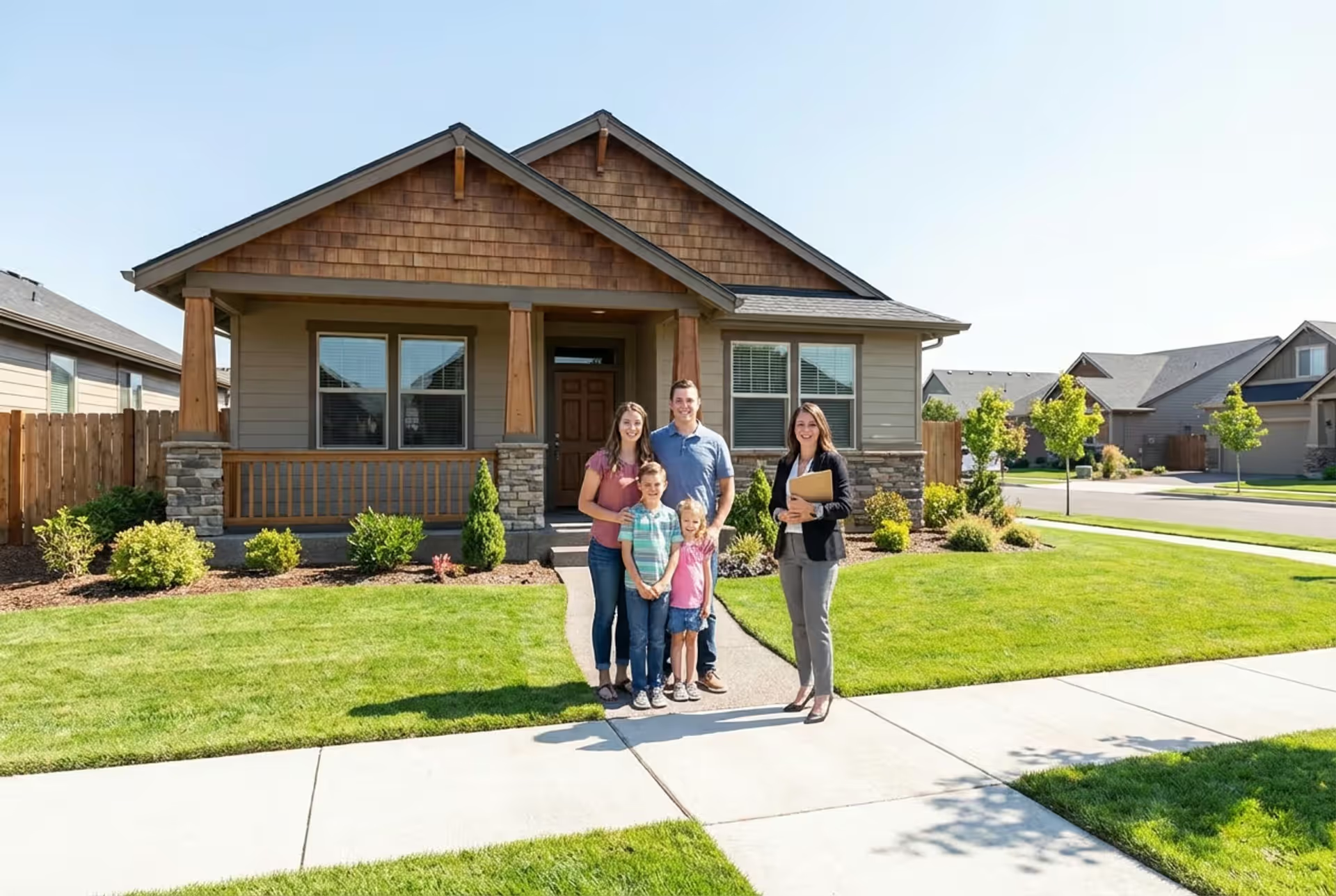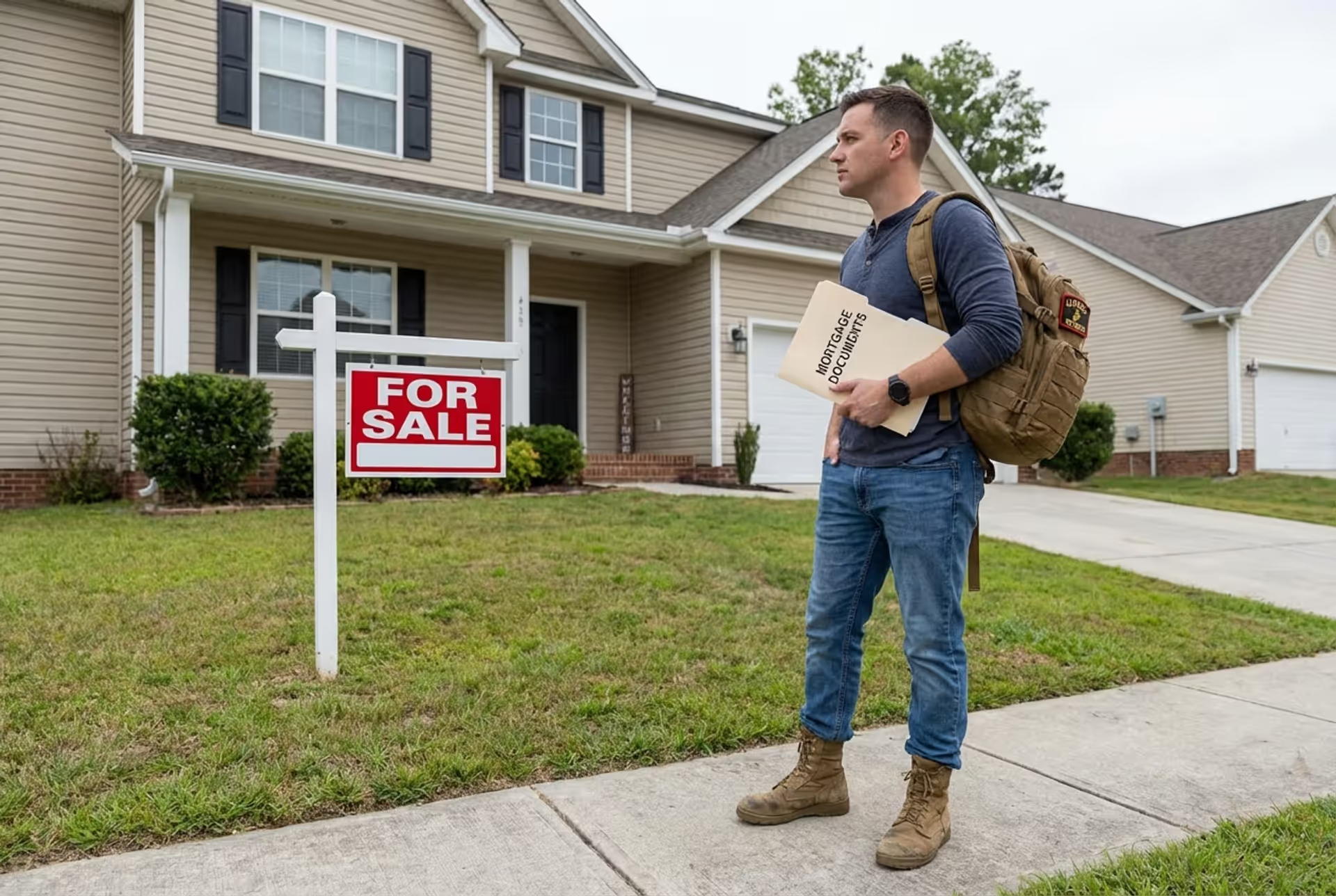
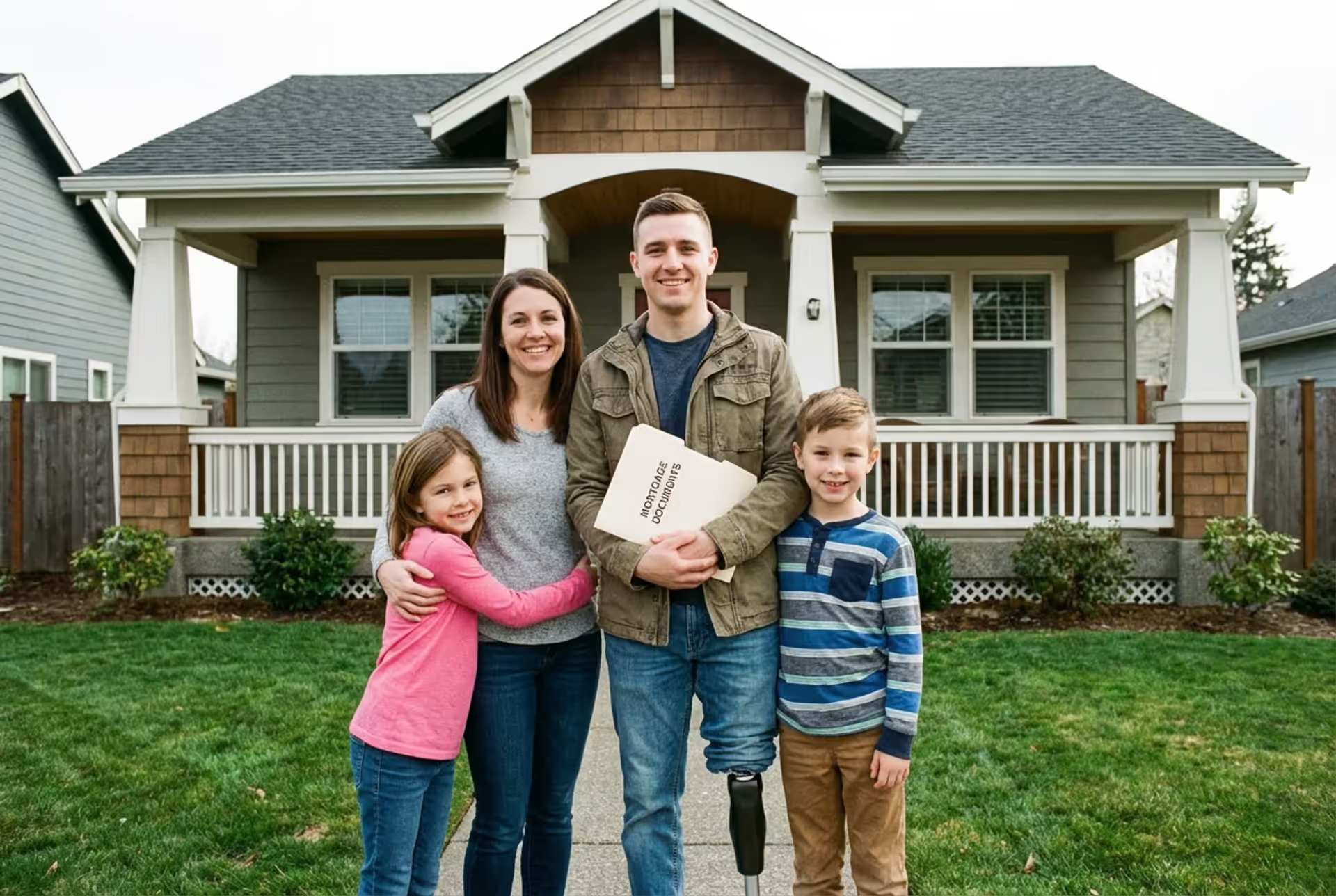
Veteran and family standing in front of a newly purchased home
What Is a VA Loan and How Does It Work

Think about buying a house with zero money down and never paying mortgage insurance. Sounds too good to be true, right? For anyone who's served in the military, this scenario isn't fantasy—it's a tangible benefit waiting to be claimed. Yet here's the puzzling part: thousands of eligible veterans rent apartments or struggle with conventional mortgages because they simply don't know what they've earned. If you've worn the uniform, you've already done the hard part. Understanding this mortgage program could be the difference between staying stuck and building real wealth.
VA Loan Meaning and Purpose
Here's what a VA loan actually means: it's a home mortgage that the Department of Veterans Affairs backs, created exclusively for military personnel, veterans, and certain surviving spouses. The VA itself rarely hands you money directly. Instead, think of the VA as your financial wingman—it promises to cover part of your loan if things go sideways, which makes banks far more willing to take a chance on you.
This whole system got rolling in 1944 when Congress passed the Servicemen's Readjustment Act—you probably know it better as the GI Bill. Picture the scene: millions of troops coming home from World War II, needing jobs and houses, and the country worried about another Depression. Smart politicians realized that helping veterans buy homes would stabilize families and boost the entire economy. That gamble paid off spectacularly. The VA has now backed north of 25 million mortgages since launching.
Why does this program still exist 80 years later? Simple: it works. When lenders know the VA will reimburse them if you can't pay (up to 25% of the loan value in most cases), they'll offer terms that would otherwise be off the table. Lower rates. Zero down payment. Relaxed credit standards. It's the government's way of saying "thanks for your service" in a form that actually matters to your bank account.

Author: Brandon Ellery;
Source: nayiyojna.com
Who Can Use a VA Loan
Eligibility isn't just for combat veterans or people who served 20 years. The rules cast a wider net than most people realize.
Active-duty troops become eligible after 90 straight days in service. Yes, you can buy a house while you're still in uniform. This proves particularly useful for military families bouncing between duty stations every few years.
Veterans face different service requirements depending on when they served. Wartime service? You need 90 consecutive days. Peacetime? Make that 181 days. Anyone who enlisted after September 7, 1980 typically needs two full years of active duty (or the complete period they were activated, with certain hardship exceptions).
Guard and Reserve members qualify after six years of drilling, or sooner if they got called up for active duty. Given how often Guard units deploy nowadays, many members hit eligibility faster than they realize.
Surviving spouses can use benefits if their partner died during service or from service-connected disabilities. Remarriage used to disqualify everyone, but rules changed—spouses who remarried after turning 57 can still qualify in many situations.
You'll need a Certificate of Eligibility to prove you meet these standards. Getting your COE used to mean paperwork headaches, but now you've got three paths: log into the VA's eBenefits website and request it yourself, ask your lender to pull it electronically (most can), or mail Form 26-1880 if you prefer old-school methods. Honestly, let your lender handle it—they do this daily and can usually grab your COE in minutes.
Quick myth-buster: you don't need a disability rating to qualify. That rating does waive the funding fee (saving you thousands), but it's not an eligibility requirement.
How VA Home Loans Work
The mechanics differ from conventional mortgages in several key ways, though the basic steps look familiar.
You're not getting your loan from the Department of Veterans Affairs. You're borrowing from a regular bank, credit union, or mortgage company that's been approved to offer VA products. The VA's job? Guarantee part of what you borrow, which gives lenders confidence to say yes.
Walk through the typical timeline:
Getting pre-approved: Don't skip this step. Before you fall in love with a house, talk to a VA-approved lender. They'll pull your credit, verify your income and debts, grab your COE, and tell you what you can actually afford. Pre-approval letters prove to sellers you're not wasting their time—crucial in competitive markets where houses get multiple offers.
Finding a home: Hunt for a property that satisfies VA standards. Your real estate agent better understand how VA loans work, because some sellers still believe myths about VA buyers being problematic. (They're not. The process just has different checkpoints.)
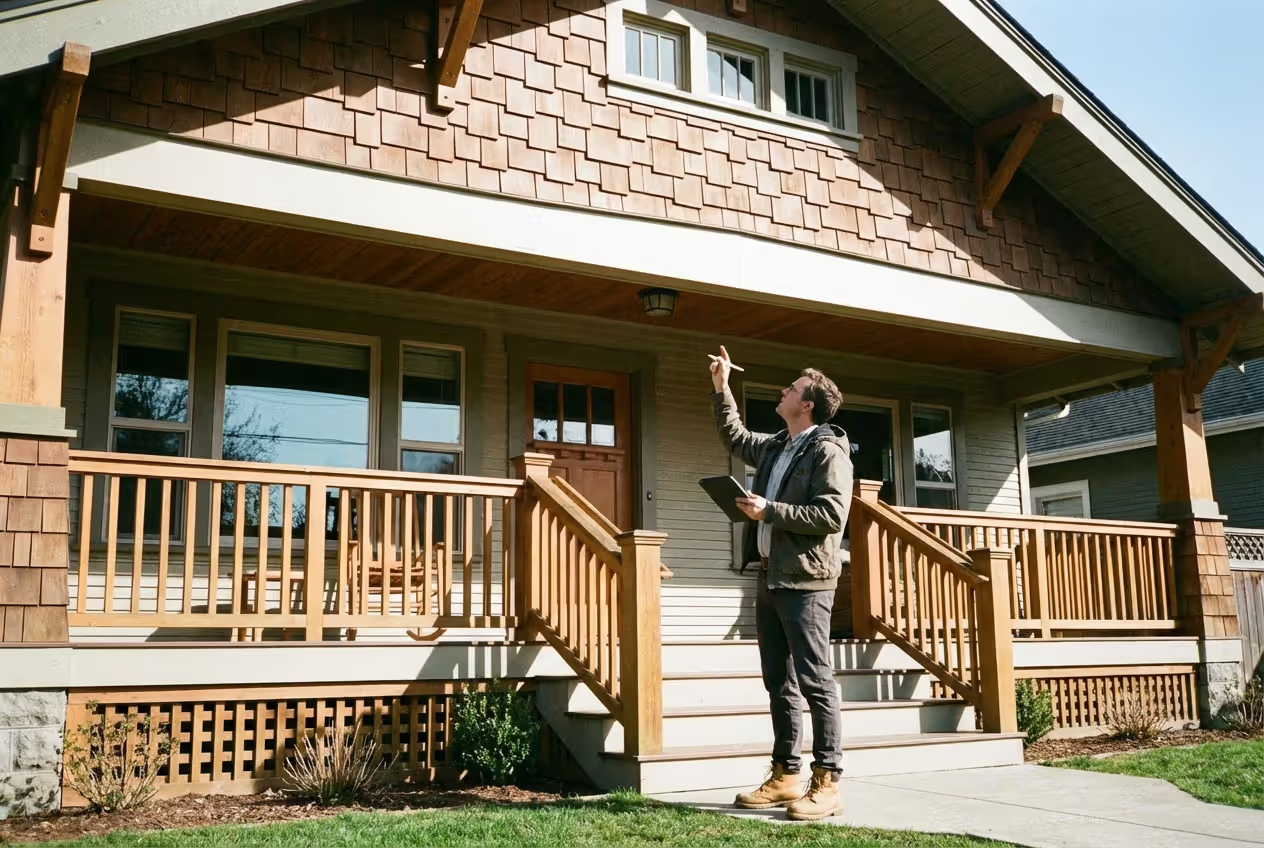
Making an offer and ordering the appraisal: Once a seller accepts your offer, your lender schedules a VA appraisal. This goes beyond establishing market value—the appraiser also checks whether the property meets minimum safety standards. Peeling lead paint? Broken heating system? Structural issues? These problems must get fixed before closing.
Underwriting review: The lender scrutinizes your finances and confirms the home appraises at or above your purchase price. VA loans use something called residual income guidelines—basically making sure you'll have enough money left each month for groceries and electric bills after paying your mortgage.
Closing day: You'll pay closing costs (the VA caps certain fees to protect you) plus possibly a funding fee. Sellers can contribute up to 4% of the loan amount toward your closing expenses, which often covers most or all of what you'd otherwise pay out of pocket.
That funding fee catches people off guard if they're not expecting it. Currently running 2.15% of your loan amount for first-time use with nothing down, this one-time charge keeps the program funded for future veterans. Put down 5% and the fee drops. Put down 10% and it drops further. Receiving VA disability compensation or Purple Heart? You're exempt entirely. Most borrowers finance this fee into their mortgage instead of paying cash upfront.
Author: Brandon Ellery;
Source: nayiyojna.com
Benefits of VA Loans
The advantages stack up quickly once you run the numbers:
Zero down payment: Borrow the full purchase price (within VA limits or your available entitlement). On a $350,000 house, you're keeping $70,000 in your savings account that a conventional loan would require upfront.
No mortgage insurance ever: Conventional mortgages force you to buy PMI whenever you put down less than 20%. That typically costs 0.5% to 1% annually—$1,500 to $3,000 per year on a $300,000 loan. VA loans skip this requirement completely, regardless of your down payment.
Better interest rates: Because the VA guarantee reduces lender risk, you'll usually see rates running 0.25% to 0.5% below conventional mortgages. Seems small? Over 30 years, that difference can mean $50,000+ in savings.
Protected closing costs: The VA prohibits lenders from charging you for certain fees that other borrowers pay. No attorney fees (in most states), no loan application charges, no document prep fees. These rules prevent lenders from padding bills with junk charges.
Credit flexibility: Individual lenders set their own credit minimums, but VA loans generally accept scores that would disqualify you for conventional financing. Many approve borrowers in the 580-620 range. The VA itself doesn't mandate any specific score.
Use it repeatedly: Your benefit doesn't evaporate after one use. Pay off a VA loan and your entitlement comes back. Some veterans buy five or six homes throughout their lives using VA financing each time. You can even own multiple properties simultaneously if you've got remaining entitlement.
Assumable loans: Buyers can take over your VA loan—even if they're not veterans. In a rising rate environment, this feature becomes gold. Imagine selling when rates hit 7% but your loan is locked at 3.5%. That 3.5% rate transfers with the house, making your property far more attractive.
Veterans tell me all the time they've 'already used their one VA loan.' That's completely wrong. This benefit recharges after you pay it off, and with partial entitlement rules, I've helped clients own two or three properties at once using VA loans. One client has used his benefit six times over 25 years—it genuinely is the gift that keeps giving
— Jennifer Martinez
VA Mortgage Basics You Should Know
Nail down these fundamentals before you start shopping:
Loan limits explained: Since 2020, veterans with full entitlement face no maximum loan amount—borrow whatever a lender will approve based on your income. However, if you're using partial entitlement (because another VA loan is still outstanding), county-based limits might apply. These limits mirror the conforming loan limits that Fannie Mae and Freddie Mac set, varying by cost of living in different areas.
Property requirements matter: You must intend to live in the home as your primary residence—no investment properties or vacation condos allowed. Properties need to pass VA minimum property requirements ensuring safety and livability. This standard disqualifies houses with major problems (foundation cracks, missing handrails, inadequate water supply), though cosmetic issues rarely cause trouble.
You can buy:
- Single-family houses
- Condos (only in VA-approved complexes)
- Townhouses
- Duplexes, triplexes, or fourplexes (you live in one unit)
- Manufactured homes meeting specific criteria
- New construction
Occupancy rules: Plan to move in within 60 days of closing and stay at least 12 months. Military orders giving you no choice? You're off the hook if you get transferred early.
Loan types beyond purchase: The VA offers several products:
- Cash-out refinance: Tap your home equity for any purpose while replacing your existing mortgage (VA or conventional) with a new VA loan
- IRRRL (Interest Rate Reduction Refinance Loan): Nicknamed "VA Streamline," this refinances an existing VA loan to a lower rate with minimal paperwork and typically no appraisal
- NADL (Native American Direct Loan): Helps eligible Native American veterans buy, build, or improve homes on federal trust land
Common Mistakes When Using a VA Loan
Author: Brandon Ellery;
Source: nayiyojna.com
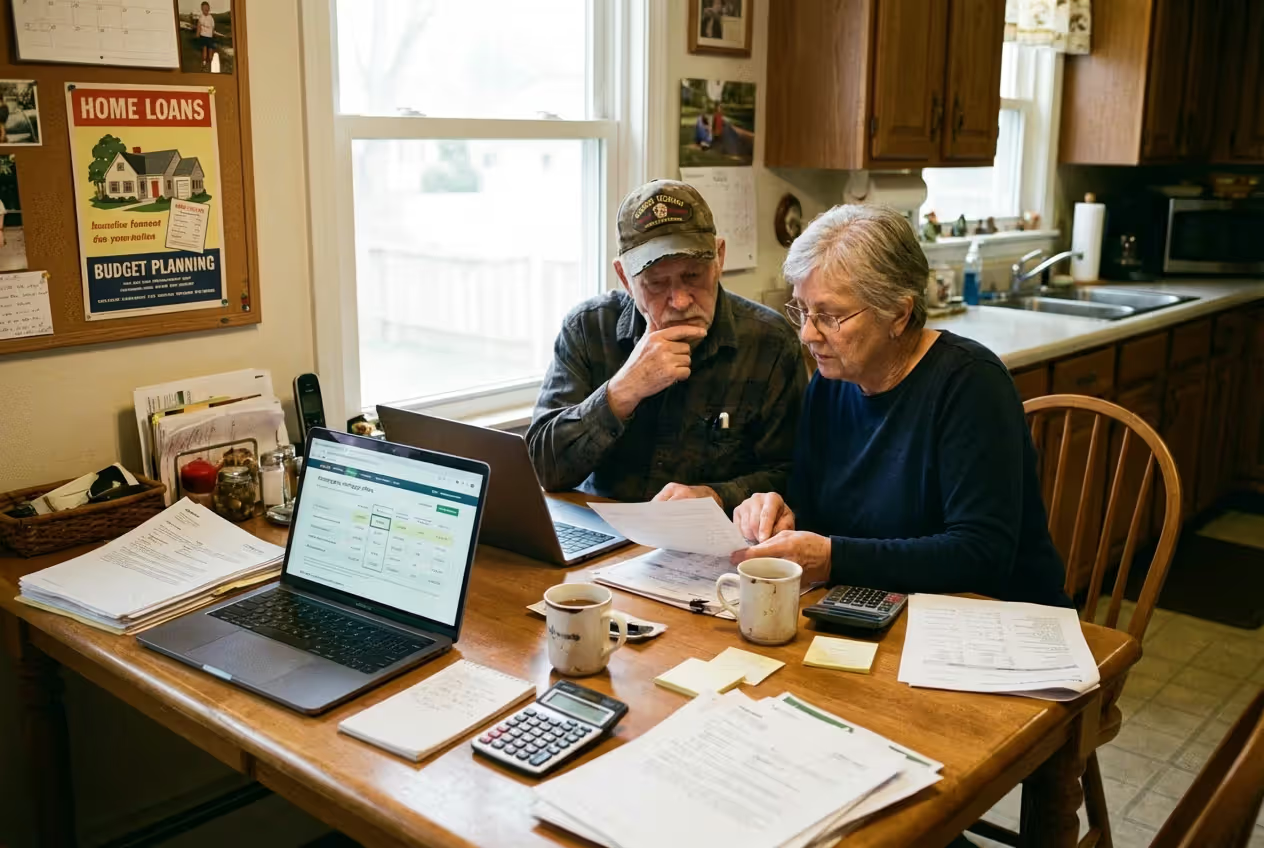
Even with generous benefits, borrowers trip up. Dodge these errors:
Skipping pre-approval: Looking at houses without getting pre-approved first wastes weekends and sets you up for heartbreak. Worse, when your dream home appears, you'll lose it to buyers who can move quickly. Sellers prefer pre-approved offers, especially in hot markets where they're choosing between multiple bidders.
Misunderstanding the funding fee: Some veterans reach closing and panic about this cost they didn't anticipate. Know upfront whether you're exempt (due to disability) and plan accordingly. Not exempt and cash-strapped? Remember you're allowed to finance it—no cash needed at the table for this specific fee.
Choosing the wrong property: Falling hard for a house that won't pass VA standards creates delays and disappointment. That charming fixer-upper with sagging floors and a questionable foundation? Not happening with a VA loan. Work with a real estate agent who knows VA property requirements inside out.
Author: Brandon Ellery;
Source: nayiyojna.com
Not shopping multiple lenders: VA approval doesn't mean all lenders offer identical deals. Interest rates, origination fees, and service quality vary wildly between banks, credit unions, and mortgage companies. Get quotes from at least three sources. Credit unions often beat big banks on rates, especially for veterans.
Waiving home inspections: The VA appraisal isn't a comprehensive inspection—it only confirms minimum property requirements. A dedicated home inspector examines the house more thoroughly, potentially flagging expensive problems before you commit. Spend the $400-$600 for peace of mind.
Ignoring residual income requirements: Lenders must verify adequate residual income left after paying debts and housing costs. Borrowing your maximum approval amount might leave you "house poor" with nothing left for emergencies or fun. Consider what feels comfortable, not just what's technically possible.
Comparison: VA Loans vs. Other Mortgage Types
| Feature | VA Loan | Conventional Loan | FHA Loan |
| Minimum Down Payment | 0% | 3-20% (most commonly 5-20%) | 3.5% |
| Mortgage Insurance | Never required | Required when down payment < 20% (PMI) | Required for loan life (MIP) |
| Typical Credit Score | 580-620 minimum | 620-640 minimum | 580 minimum |
| Loan Limits | None with full entitlement | Varies by county (conforming limits) | Varies by county (FHA limits) |
| Eligible Buyers | Veterans, active duty, Guard/Reserve, surviving spouses | Any qualified buyer | Any qualified buyer |
| Upfront Fee | Funding fee (0-2.15%, waived for disabled vets) | None | Upfront MIP (1.75% of loan) |
| Property Requirements | Must satisfy VA minimum standards | Standard appraisal | Must satisfy FHA minimum standards |
Frequently Asked Questions About VA Loans
VA loans deliver a benefit you've already earned through service, potentially cutting homeownership costs by tens of thousands of dollars. The combination of zero down, no mortgage insurance, competitive rates, and flexible credit creates opportunities that conventional financing simply can't match.
Grasping how VA home loans actually function—from who qualifies to navigating the application—puts you in control and helps you sidestep common traps. Whether you're buying your first home or your fifth, this benefit can accelerate your housing goals while keeping significantly more money in your pocket.
The next move is yours: request your Certificate of Eligibility, compare at least three lenders for optimal terms, and partner with professionals who truly understand VA lending. You earned this benefit through your military service—now make it work as hard for you as you worked for your country.